Whatsapp Destek Hattı
 Endüstriyel Termokupl, PT100 ve Hortum Çözümleri
Select Language
Currency Selection
Categories
Brands
Dalma Boyu
Color
Prop Size
Probe Diameter
Material
Price Range
Clear All Filters
  Filtrele
Total 23 Product
%15
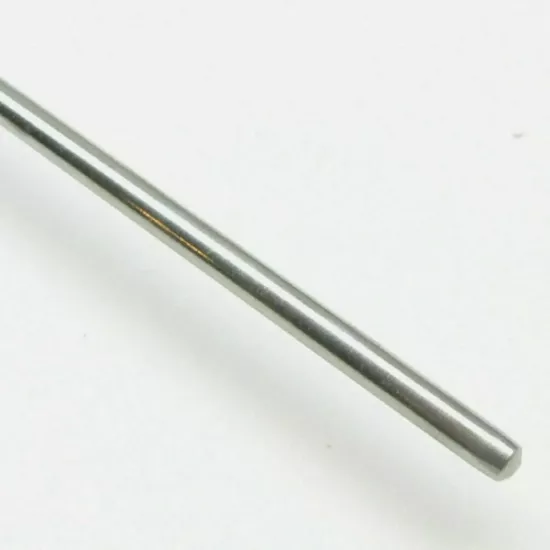
Termokupl Koruyucu Boru 16x300mm
Thermocouple Protective Tube 16x300 mm
1,435.47 TL
1,220.15 TL
%15
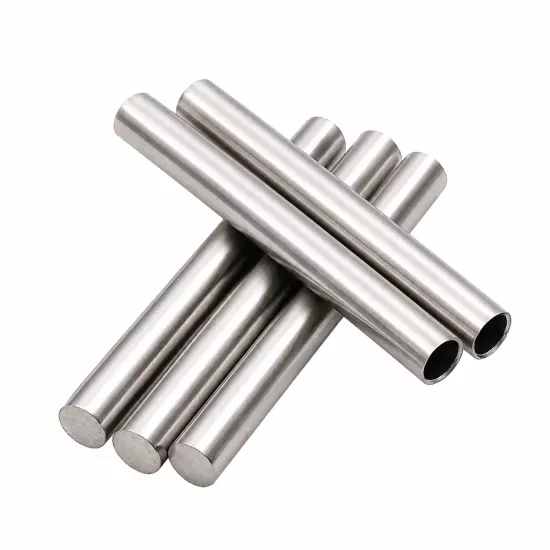
Termokupl Koruyucu Boru 22x300mm
Thermocouple Protective Tube 22x300 mm
1,435.47 TL
1,220.15 TL

Thermocouple Protective Sheath – Metal & Ceramic Protection Solutions

A thermocouple protective sheath is an outer protection tube used to shield the thermocouple element from mechanical impact, corrosive/chemical exposure, and high-temperature process conditions. Correct sheath selection directly affects measurement reliability and sensor service life.

Quick Rule: Metal or Ceramic?

  • General approach: up to about 1200°C, a metal sheath is commonly used; above about 1200°C, a ceramic sheath is typically preferred.
  • Exceptions: some special environments may require ceramic below 1200°C, and special alloys may be used around this range depending on process conditions.

Metal Protective Sheaths

Metal sheaths are selected by matching the alloy to the process environment (oxidation, corrosion, mechanical wear). Two sheaths may look similar, but alloy differences can produce very different service life in real applications.

Common metal sheath examples (application-dependent)

  • St 35.8: economical option for lighter conditions and lower temperatures.
  • 304 / 316 / 316Ti / 310S: corrosion/oxidation resistance; selected according to environment.
  • 1.4762 (446): can be advantageous in certain corrosive or sulfur-containing atmospheres.
  • Inconel 600: for higher temperature and demanding conditions; higher cost but strong performance when correctly specified.

Ceramic Protective Sheaths (1200°C+)

At higher temperatures, ceramic sheaths become the preferred solution. Three ceramic tube standards are commonly referenced: KER 530, KER 610, and KER 799.

KER 530 (Porous ceramic)

  • Benefit: very good thermal shock resistance (porous structure).
  • Use: high-temperature applications with thermal shock risk; may be used together with a gas-tight inner tube where needed.
  • General note: widely considered for furnace applications where cycling is severe.

KER 610 (Special porcelain / gas-tight)

  • Benefit: non-porous structure → gas-tightness advantage.
  • Use: as a ceramic tube itself or as a gas-tight inner tube inside a metal sheath to help extend element life in certain processes.
  • General note: preferred when gas-tight protection is required.

KER 799 (High-purity alumina)

  • Benefit: high performance, high-temperature resistance and strong gas-tightness.
  • Use: very high temperatures and aggressive conditions; higher cost but strong reliability when correctly selected.
  • General note: often chosen for top-end high-temperature performance targets.

Protective Sheath Selection Guide (Practical)

  1. Maximum temperature (first filter: metal vs ceramic)
  2. Process atmosphere (oxidizing/reducing, sulfur-containing gases, corrosive vapors)
  3. Mechanical risk (impact, vibration, abrasion)
  4. Thermal cycling / thermal shock (fast heat-up/cool-down cycles)
  5. Mounting method (flange, fitting, immersion, fixed mounting, etc.)

Note: a sheath that seems “cheaper” upfront may increase total cost through frequent failures/replacement and downtime.

Info Needed for a Fast Quote

  • Process type (furnace / heat treatment / salt bath, etc.)
  • Maximum temperature and duty cycle (continuous / cycling)
  • Environment (gases, vapors, chemical exposure; especially sulfur compounds if present)
  • Required sheath diameter/length
  • Mounting method (flange / fitting / immersion)

FAQ – Thermocouple Protective Sheath

What does a thermocouple protective sheath do?

It protects the thermocouple element from mechanical, chemical and high-temperature effects, helping improve service life and measurement stability when correctly selected.

Can I use a ceramic sheath below 1200°C?

Yes—depending on the environment and process conditions, ceramic may be selected below 1200°C. Final selection should be based on atmosphere and thermal cycling.

What is the difference between KER 530 / KER 610 / KER 799?

KER 530 stands out for thermal shock resistance; KER 610 for gas-tight structure; and KER 799 for high-purity alumina performance at high temperatures.

Is sheath selection independent from thermocouple type?

Sheath selection is primarily driven by the process environment; the thermocouple type (K/J/T/S, etc.) is evaluated separately. The sheath solves the “protection” requirement.

What determines the price?

Material (alloy/ceramic type), dimensions, mounting hardware, and process severity are the main cost drivers.

E-Newsletter
Do you want to be informed first about discounted products and opportunities?
softtr® | Profesyonel E-Ticaret Sistemleri ile hazırlanmıştır.